Adjustable Bed Actuator Buying Guide: What Every Furniture OEM Needs to Know
The adjustable bed market continues to grow at 7-9% annually. This guide helps furniture OEMs select the right actuator specifications, smart features, and certification package for their target market.
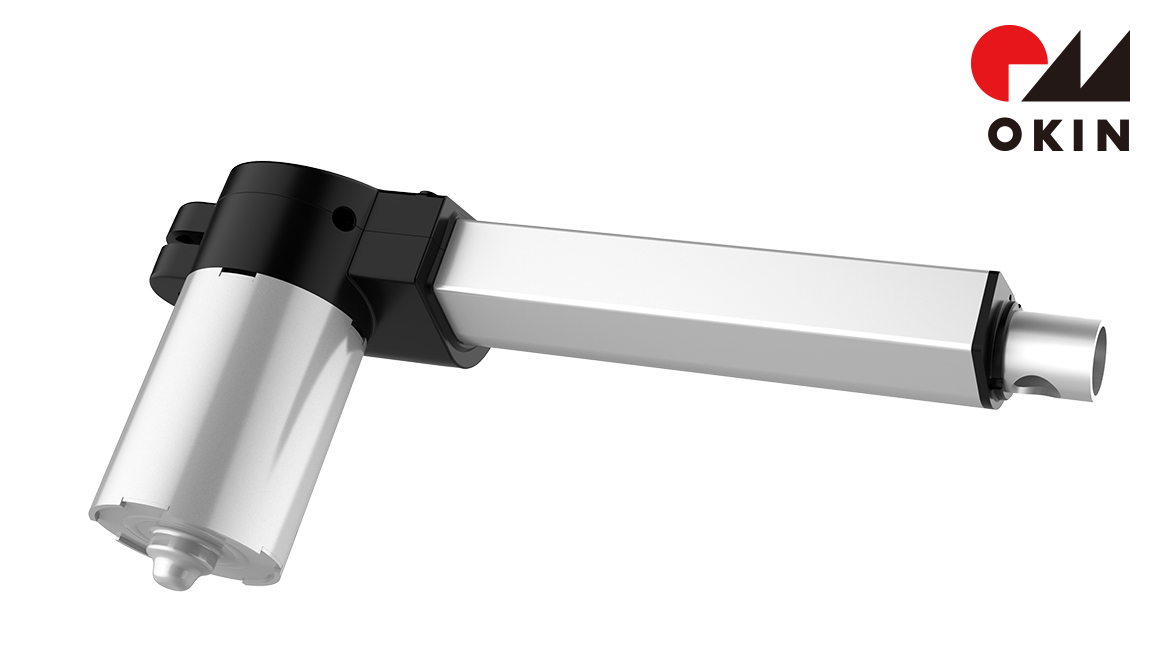
The Adjustable Bed Opportunity
Adjustable beds have moved from medical niche to mainstream comfort product. In the US alone, adjustable bed bases now account for over 30% of premium bed sales, and the trend is accelerating globally. For furniture OEMs, the ability to offer a reliable, feature-rich adjustable bed depends entirely on the quality of the linear actuator system inside it.
Actuator Specifications for Adjustable Beds
Head Tilt Actuator
The head-tilt actuator bears the most load (user's upper body weight plus mattress resistance) and has the most visible performance impact. Key specs:
| Parameter | Standard | Premium / Heavy-Duty |
|---|---|---|
| Push Force | 3,000-4,000 N | 5,000-6,000 N |
| Stroke Length | 250-300 mm | 300-350 mm (higher tilt angle) |
| Speed (loaded) | 10-14 mm/s | 8-12 mm/s |
| Noise Level | < 50 dB(A) | < 45 dB(A) (premium quiet) |
Foot Tilt Actuator
The foot actuator typically has lower force requirements but still needs reliable endurance:
- Push force: 2,000-3,000 N (lower body weight is less than upper)
- Stroke length: 150-250 mm
- Speed: Can match head actuator speed for synchronized movement
Wall-Hugger Actuator (Optional)
For wall-hugger adjustable beds that slide the sleeper back toward the wall as the head raises, a third horizontal actuator is needed. This adds complexity but is increasingly expected in the premium segment.
Noise: The Make-or-Break Factor
For a product used in the bedroom, noise level is often more important than raw performance specs. End consumers will tolerate a slightly slower actuator, but they will return a noisy one.
Key noise reduction features to look for:
- Worm gear design (inherently quieter than spur gears)
- Rubber isolation mounts to prevent vibration transfer to the bed frame
- Motor soft-start/soft-stop in the control box firmware
- Precision-machined gears with tight tolerances
Ask your supplier for noise test data measured at 1 meter under rated load — not at no-load conditions. No-load noise specs are meaningless for real-world performance.
Smart Features Checklist
The feature set of your control system determines how competitive your adjustable bed is in 2026. Here's what matters at each price tier:
Entry Level (Must-Have)
- Wired handset with head up/down, foot up/down
- Flat button (all motors return to zero)
- 2-3 memory positions
Mid-Range (Expected)
- Everything above, plus:
- Bluetooth BLE app control (iOS/Android)
- Zero-G preset position
- Under-bed LED night light with motion sensor
- Massage motor control (2-zone, variable speed)
Premium (Differentiating)
- Everything above, plus:
- Wi-Fi + voice assistant (Alexa / Google Home)
- Anti-snore acoustic detection with auto head-tilt
- White-label branded app (your company logo and UX)
- Split king independent side control
- Sleep tracking API integration
Certification Requirements by Market
Getting certification wrong can cost months of delay and thousands of dollars. Here's the minimum certification matrix for adjustable bed actuators:
| Market | Electrical Safety | EMC / RF | Product-Specific |
|---|---|---|---|
| United States | UL or ETL (UL 962) | FCC Part 15 | BIFMA (optional) |
| EU / UK | CE LVD | CE EMC | EN 50637 |
| Australia / NZ | RCM / SAA | RCM | — |
| South Korea | KC | KC EMC | — |
| Japan | PSE | VCCI | — |
Important: If the control box has a Wi-Fi or Bluetooth module, additional RF certifications (FCC ID, CE RED, IC) are required. Your actuator supplier should handle these as part of the integrated control system certification.
Total Cost of Ownership
When comparing actuator suppliers, don't just compare unit price. Consider the total cost:
- Certification costs — Does the supplier provide all certs, or do you pay for third-party testing?
- Warranty claims rate — A 1% field failure rate vs. 3% on a 10,000-unit order is the difference between 100 and 300 replacements
- Lead time reliability — Late delivery = lost production days = lost revenue
- Engineering support — Do they provide integration support, or just ship components?
- Documentation — Full PPAP/FAI documentation saves your QA team weeks of effort
Getting Started
The best approach is to start with a structured evaluation:
- Define your spec sheet: stroke, force, voltage, noise target, and smart features
- Request samples from 2-3 qualified suppliers (3-5 units each)
- Test in your actual bed frame assembly — not on a bench
- Run 500-cycle accelerated life test before committing to production
- Evaluate supplier response time, documentation quality, and commercial flexibility
Need Actuator Samples for Evaluation?
OKIN ships evaluation samples to qualified OEM buyers within 5-7 business days.
