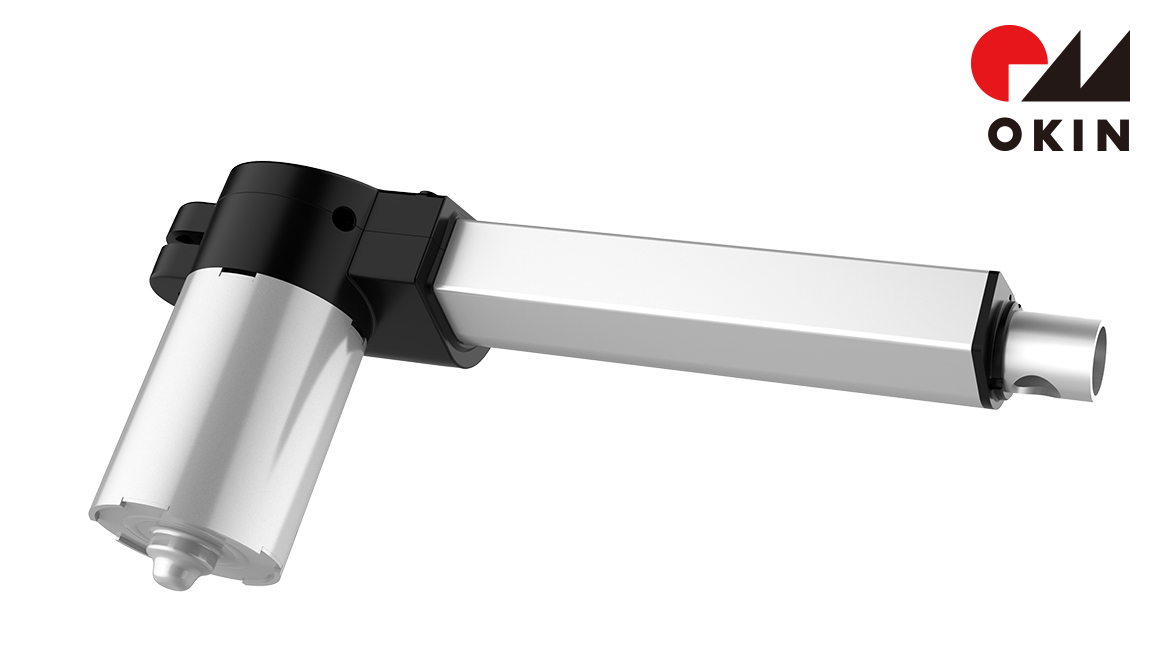
The Complete OEM Guide to Sourcing Electric Linear Actuators in 2026
Everything furniture and mattress OEMs need to know about selecting, specifying, and sourcing electric linear actuators — from stroke length and load ratings to global certifications and supplier evaluation criteria.

Why Actuator Selection Matters for OEMs
For adjustable bed, recliner, and smart furniture manufacturers, the electric linear actuator is the core mechanical component that determines product reliability, user experience, and long-term warranty costs. Selecting the wrong actuator specification — even marginally — can lead to premature failures, noise complaints, and costly field replacements.
This guide covers the six key decision areas every OEM procurement team should evaluate when sourcing actuators for new or existing product lines.
1. Understanding Key Specifications
Stroke Length
Stroke length determines how far the actuator extends. For adjustable beds, typical strokes range from 150 mm to 350 mm for head tilt and 100 mm to 250 mm for foot tilt. Recliner applications typically use shorter strokes of 80 mm to 200 mm.
Most manufacturers offer standard strokes in 25 mm increments. Custom stroke lengths are available through ODM programs, typically requiring tooling adjustments with 4-8 week lead time.
Push Force & Pull Force
Push force (also called thrust force) is the maximum force the actuator can exert when extending. For standard adjustable beds, 3,000 N to 4,000 N is sufficient. Heavy-duty or medical applications may require 6,000 N or higher.
Pull force (retraction force) is typically 60-80% of push force. Always specify both if your application has significant load in both directions.
Speed
Standard actuator speed under rated load is 8-15 mm/s for adjustable beds. Higher speed actuators (up to 25 mm/s) are available but trade off noise level and force capacity. For premium products, a quiet actuator at moderate speed is generally preferred over a fast, noisy one.
Voltage
The two standard operating voltages are 24 V DC (most common globally) and 29 V DC (common in North American adjustable bed market). Ensure your control box and power supply voltage match your actuator specification.
2. Certifications by Market
Certification requirements vary by destination market. Missing a certification can block an entire shipment at customs. Here's the minimum certification matrix for key markets:
| Market | Required Certifications | Notes |
|---|---|---|
| Europe (EU) | CE (LVD + EMC), RoHS, REACH | EN 50637 for adjustable beds |
| North America | UL or ETL, FCC Part 15 | UL 962 for household furniture |
| Australia / NZ | RCM (formerly C-Tick + A-Tick) | SAA for electrical safety |
| Medical (global) | IEC 60601-1 | Separate from furniture certs |
| Furniture (NA) | BIFMA | For office & contract furniture |
Pro tip: Request the full certification documentation pack from your supplier before placing your first production order. A reputable manufacturer will provide this at the quote stage, not after shipment.
3. Evaluating Actuator Suppliers
Not all actuator manufacturers are equal. Here are the criteria that separate tier-1 OEM suppliers from low-cost alternatives:
- Vertical integration — Does the supplier control die-casting, CNC machining, PCB assembly, and final assembly in-house? Vertically integrated manufacturers have better quality control and faster lead times.
- In-house testing — Look for endurance test labs (10,000+ cycle testing), EMC anechoic chambers, and dielectric strength testing capabilities. Suppliers who rely entirely on third-party testing labs have less control over quality.
- OEM documentation — Can they provide PPAP (Production Part Approval Process), FMEA (Failure Mode and Effects Analysis), and first-article inspection reports? These are standard in automotive supply chains and increasingly expected in furniture OEM.
- Smart home ecosystem — If your product roadmap includes IoT, look for actuator suppliers who also supply control boxes with BLE, Wi-Fi, and smart assistant (Alexa/Google Home) integration built in.
- Global logistics — Regional warehousing, local account managers, and compliance support for your target markets.
4. OEM vs. ODM: Which Path Is Right?
OEM (Original Equipment Manufacturing) means you buy a supplier's existing actuator model and add your branding — custom labels, packaging, and handset colors. This is the fastest path to market with minimal tooling cost.
ODM (Original Design Manufacturing) means the supplier engineers a custom actuator to your specifications — custom stroke, force, connector, firmware, and housing design. This path has higher upfront tooling cost but gives you a differentiated product.
| Factor | OEM (Standard + Branding) | ODM (Custom Design) |
|---|---|---|
| Lead time | 3-4 weeks | 8-14 weeks (incl. tooling) |
| Tooling cost | None or minimal | $5,000-$30,000 depending on scope |
| MOQ | 50-500 units | 500-2,000 units typically |
| Product differentiation | Low (same product, your brand) | High (unique to your brand) |
| IP ownership | Supplier owns design | Shared or buyer-owned IP |
5. Smart Features & IoT Integration
The adjustable bed market is rapidly moving toward smart connectivity. In 2026, a competitive adjustable bed offering should include at minimum:
- Bluetooth BLE for app control (iOS/Android)
- Position memory (Zero-G, anti-snore, flat, favorite)
- Massage motor control (head and foot zone, variable intensity)
- Under-bed LED lighting with motion sensor activation
Premium features that differentiate:
- Voice control (Amazon Alexa, Google Home) — requires Wi-Fi module in control box
- Acoustic snore detection with automatic head-tilt response
- White-label app (your brand, your UX, powered by the actuator supplier's SDK)
- Sleep tracking integration via third-party health APIs
6. Managing the OEM Partnership
A successful actuator OEM partnership is a long-term relationship, not a one-time purchase. Key practices:
- Start with evaluation samples — 3-5 units to validate fit, performance, and noise level in your assembly before committing to volume
- NDA first — Sign a mutual NDA before sharing product plans or tooling drawings
- Request a project timeline — A clear Gantt chart from inquiry to mass production protects both sides
- Plan for 2-3 year product lifecycle — Discuss component availability, firmware update roadmap, and warranty terms upfront
- Visit the factory — If possible, visit the manufacturer's production site to verify capacity, quality systems, and team capability firsthand
Next Steps
If you're evaluating electric linear actuator suppliers for an upcoming product launch or looking to optimize your existing supply chain, OKIN's product specialists can help you navigate specifications, certifications, and pricing for your specific application.
Ready to Start Sourcing?
Get a custom OEM quote and evaluation samples within days.